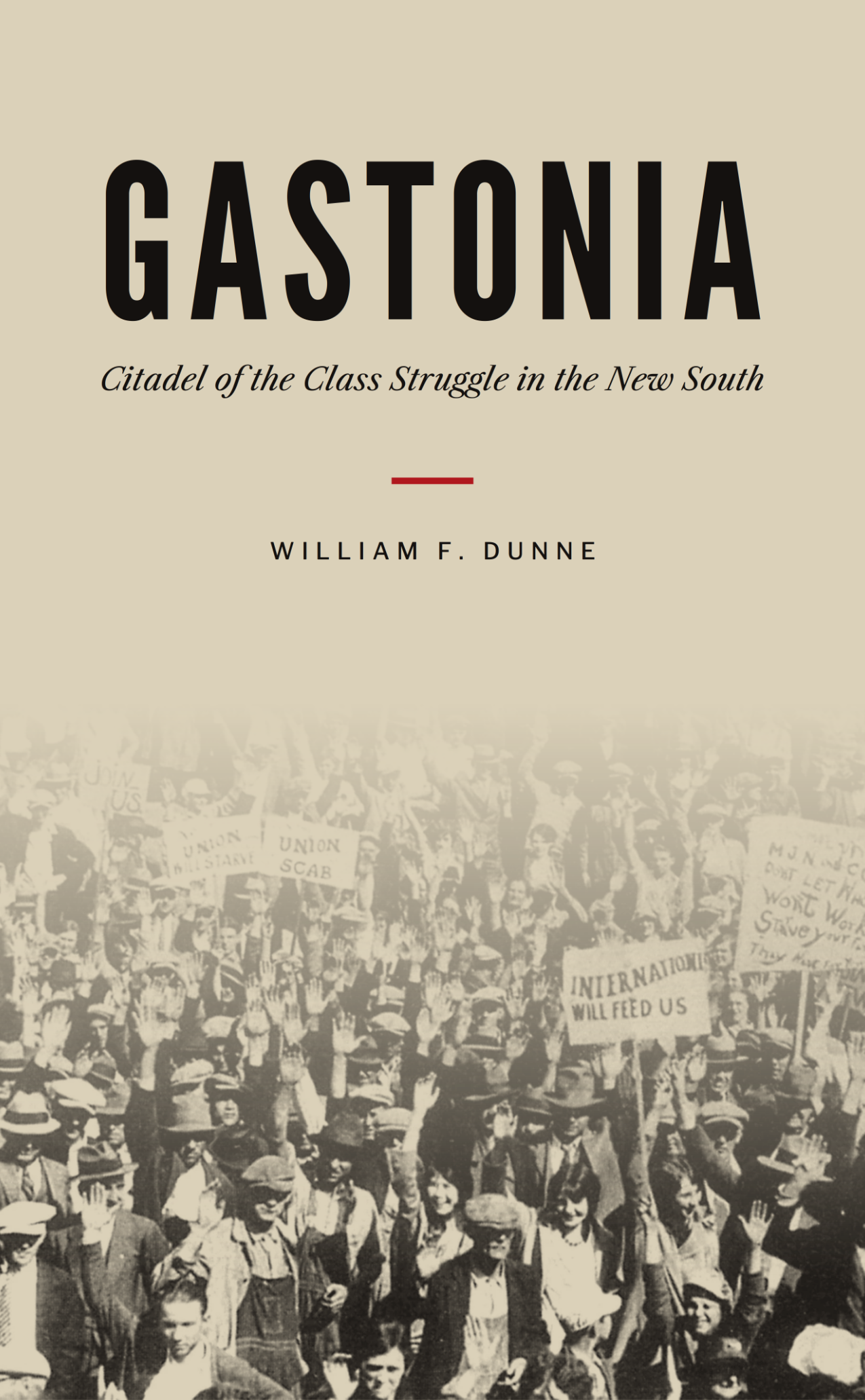
Gastonia
Gastonia
Couldn't load pickup availability
William F. Dunne wrote this book from the mill district itself, with the case against sixteen textile workers still being built and thirteen of them facing the electric chair. Dunne presents the Loray mill of the Manville–Jenckes Company as the citadel of an industrial South sold to Northern capital on the promise of cheap labor. The strike that carried the National Textile Workers Union inside it was deliberately weaponized to justify the offense of murder charges in an attempt to punish the rebellious workers. Against sixteen prisoners the mill owners set a prosecution staff of sixteen attorneys, paid from a fund raised to smash the union. Dunne closes in the words of a Loray mill worker, and reads the case as the South's Haymarket — the emergence of the Southern working-class as an integral part of the American proletariat.
132 Pages